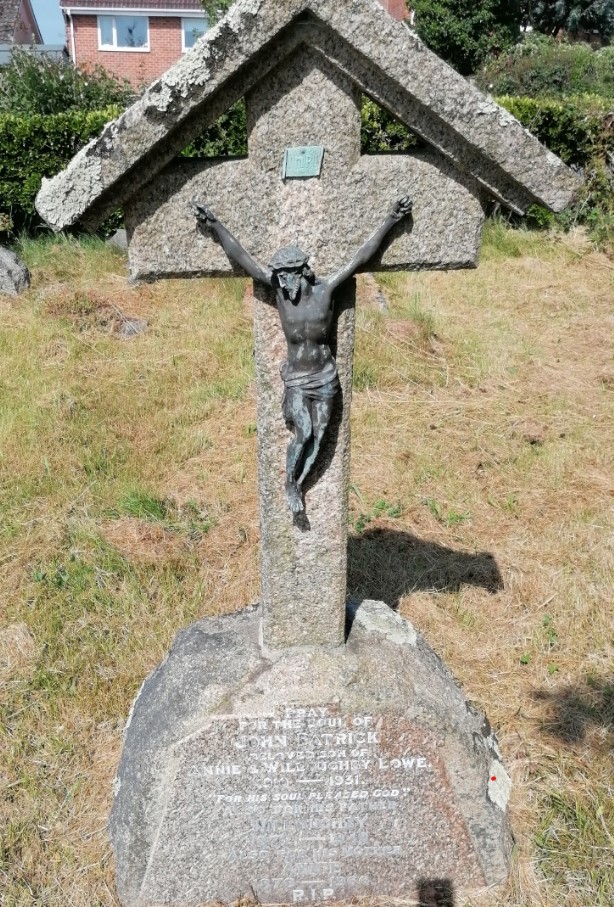
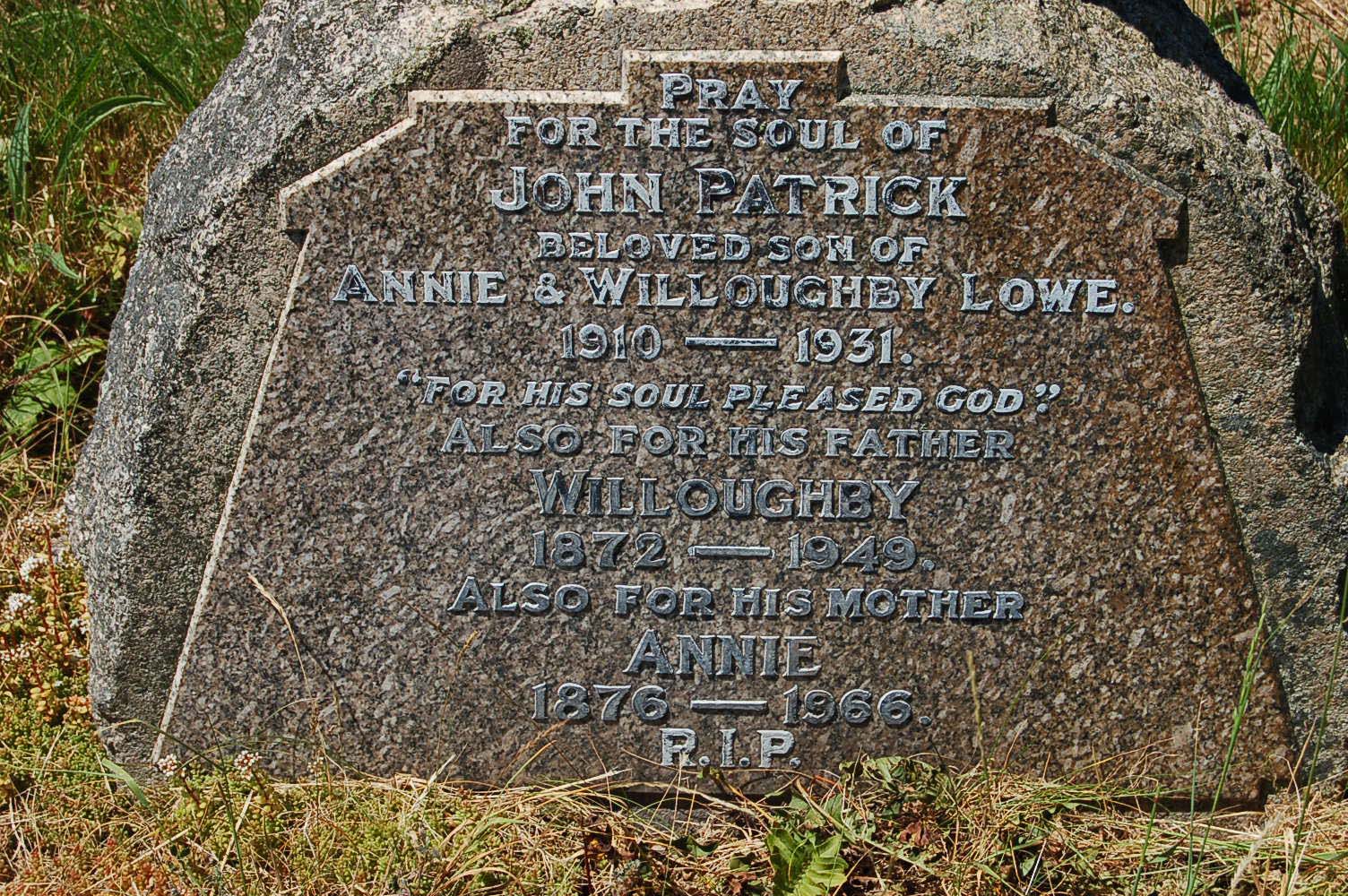
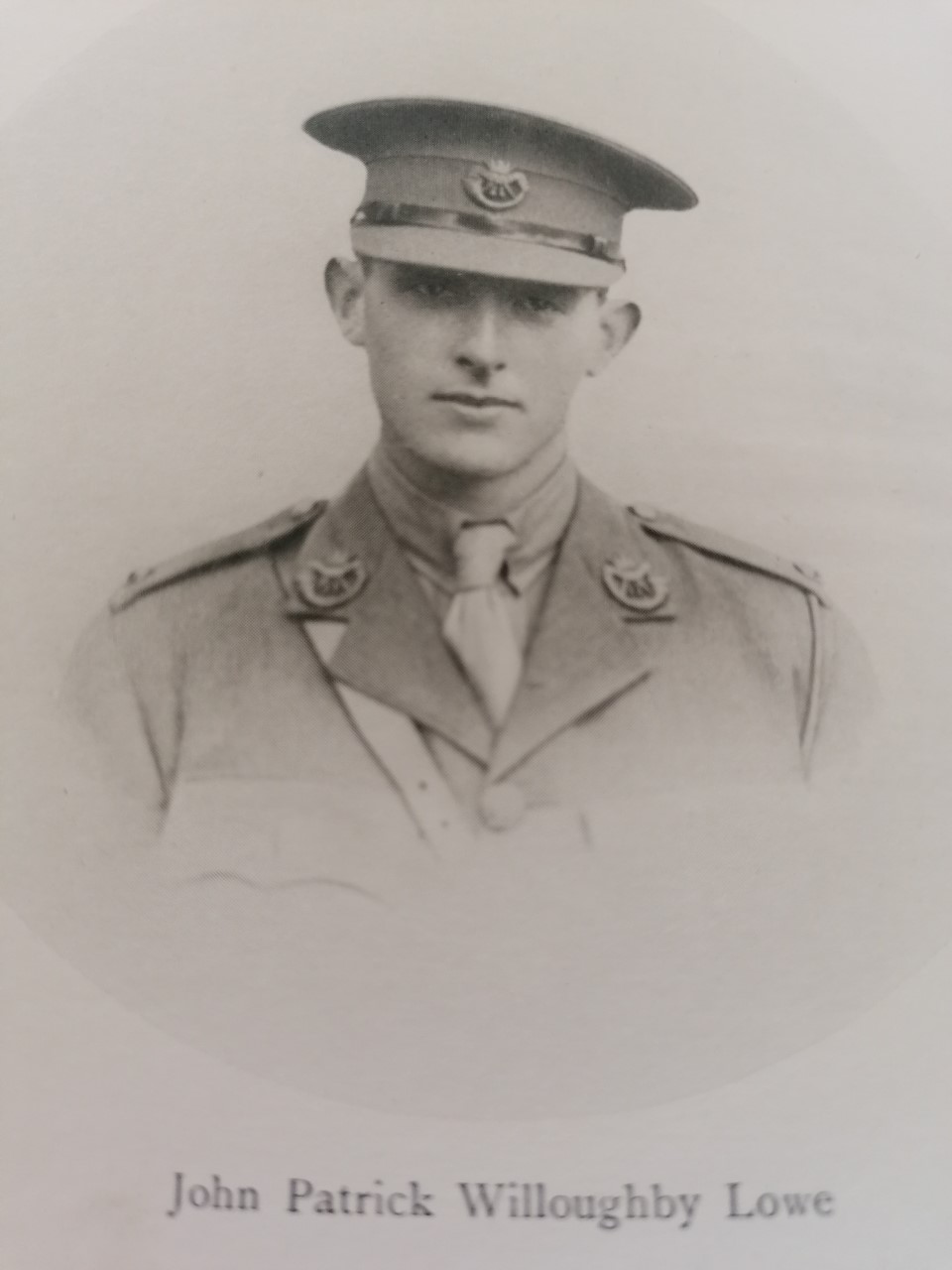
John Patrick Willoughby Lowe, plot AA157
Willoughby Prescott Lowe was born on the 10th of December 1872 in Tyler's Green, Buckinghamshire, and died on the 31st of October 1949 in Exmouth, Devon. He was an English ornithologist and naturalist.
His father was Pastor Edward Jackson Lowe (1825-1893), his mother's name was Mary Wainright (1841-1880). One of his siblings was pastor George Lincoln Gambier Lowe (1865-1833).
At the tender age of seventeen, he sought out William Henry Flower (1831-1899) to seek advice from him on how best to implement his ornithological ambitions. Shortly thereafter, he sailed to the United States in April 1888 to visit his brothers in Colorado. Here in the wilderness he lived for seven years and made his first collections in the Rocky Mountains, as well as in the surroundings of his ranch.
In 1895 he married Annie, daughter of Captain John Seals, and returned to England two years later. His second son, John Patrick Willoughby Lowe, who drowned in a tragic accident in 1931 at Exmouth, Devon, shared his passion for science with his father.
As a collector for the Natural History Museum, Willoughby contributed more than 10,000 specimens to the museum's collection.
His first expedition took him to Manila in 1907 via Colombo and Hong Kong, which he reached on the 21st of May 1907. Having first settled in Manila, he decided to visit the sulphurous Sibul springs at Abucay to collect.
On the 4th of June, he was able to leave Manila by gunboat for Puerto Princesa to visit his cousin John Roberts White (1879-1961) and explore the area. On the 7th of June, he arrived in Puerto Princesa. The result of this expedition was an article in which he described 82 species.
Together with Captain Ernest Clifford Hardy (1866-1934) of HMS Mutine, he went in 1910 on a research expedition on the west and southeast coast of Africa.
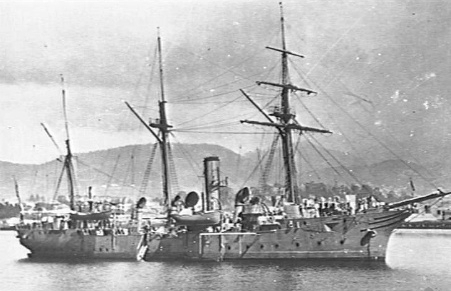 HMS Mutine
The journey began in Cape Town in November. The first destination was Ichaboe Island, a small rocky island off Namibia's Diamond Coast. From there, she led the way along the west coast to Sierra Leone. Finally, Lowe returned to Cape Town in April 1911. David Armitage Bannerman (1886-1979) was responsible for describing the bird exploitation of the trip, with Bannerman using Lowe's notes for his publication.
On the advice of the NHM, he accompanied in the years 1912-1913 Captain Gordon Philip Lewes Cosens (1884-1928) (mistakenly GS Cozens and GP Cozens) to Kenya, Uganda, and the Nile. Lowe left England on the 19th of August 1912 and met Captain Cozens on the 17th of September in Nairobi. Both started together on two different study trips.
The first started in Kijabe and led south to the German-English border and back to Naivasha and lasted from the 24th of September to the 9th of December 1912.
The second started on the 21st of December 1912, in Nakuru, where they broke north through the province of Rift Valley to Nimule and Gondokoro on the upper reaches of the Nile. The ornithological yield of the voyage was described by Claude Henry Baxter Grant with the kind permission of William Robert Ogilvie-Grant.
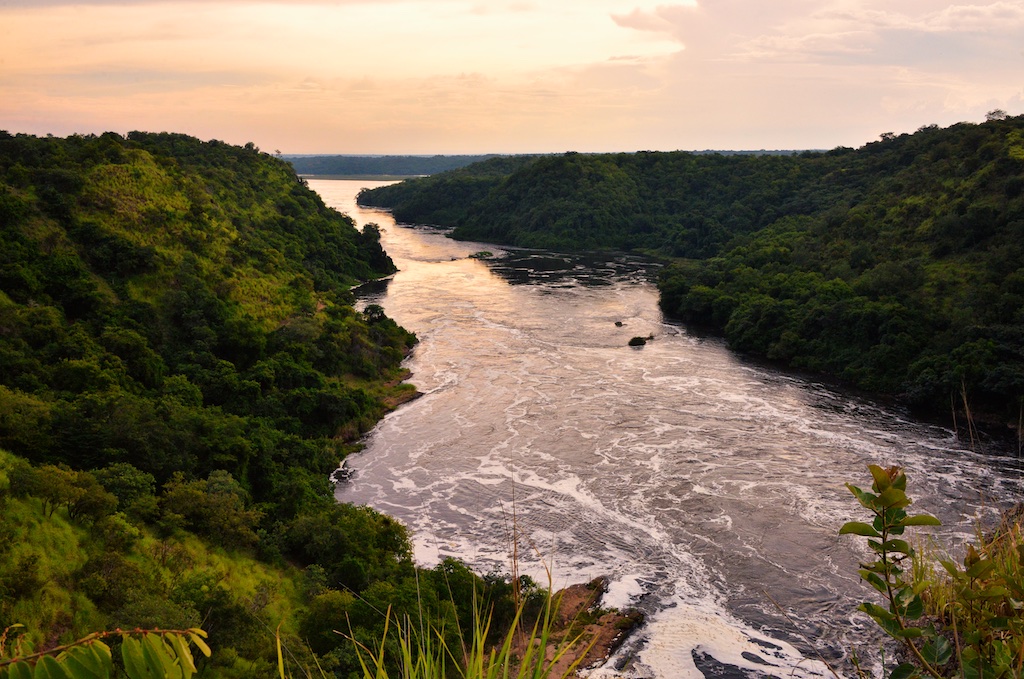 The Nile By Rod Waddington, CC BY-SA 2.0, https://commons.wikimedia.org/w/index.php?curid=42119947
In winter 1913/1914 he accompanied Abel Chapman (1851-1929) and Captain Hubert Lynes (1874-1924) in Sudan. They started in Bur Sudan on the way to Khartoum. First, they spent time on the Blue Nile in the province of Sannar. Then they slowly followed the White Nile to Lake No.
Christmas 1920, Lowe reported to Bannerman from Lagos. Here waited Lowe, who was invited by Arthur Maurice Yate Dane (1885-1953), on his steamboat HMS Dwarft. He took advantage of the waiting period and collected at the Iju WaterWorks 395 bird skins. On the 25th of February 1920, Lowe reached Freetown.
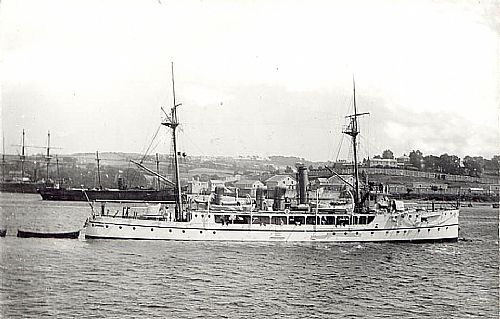 HMS Dwarft
On the 12th of March, Dane and Lowe left the boat to explore the hitherto little-explored Rokel and its numerous islands. So they reached Tasso Island the same day. Other islands such as Yatward, Mayahgba, Rotoombo, etc. were among their collection areas.
In 1922 he accompanied Rear Admiral Hubert Lynes (1874-1942) on his journey through Darfur, Kurdufan, and the provinces of the Nuba Mountains.
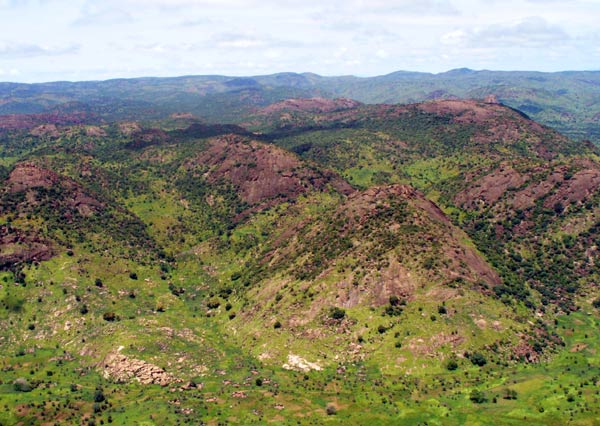 Nuba Mountains By Andreas31 - (C) Andreas31, CC BY-SA 3.0, https://commons.wikimedia.org/w/index.php?curid=473746
On the 26th of October 1922, he traveled together with Herbert Ronald Hardy (1900-1954) on the steamboat Gambia towards Ivory Coast. On the 14th of November, they reached Grand Bassam. The journey took her from Grand-Bassam to Bouaké. The return trip of the two took place on the 8th of January 1923 with the steamboat Akabo.
When Arthur Stannard Vernay (1877-1960) in 1923 asked him if he wanted to accompany him on an expedition from Yangon to Bangkok, Lowe was the first time traveling on the Asian mainland. Her route took her via Mawlamyaing via the Tenasserim Mountains to Bangkok.
Together with Bannerman and his wife Muriel born. Morgan (died 1945) went in 1925 on an expedition to Tunisia. Bannerman published in 1927 in The Ibis a detailed report on the yield of this expedition.
Between 1925 and 1928 he accompanied Jean Théodore Delacour (1877-1960) and Pierre Charles Edmond Jabouille (1875-1947) on four expeditions through Indochina. The results were published by Delacour and Jabouille (1875-1947) in their five-volume work Les Oiseaux de l'Indochine française, as well as in several joint articles with Lowe in The Ibis.
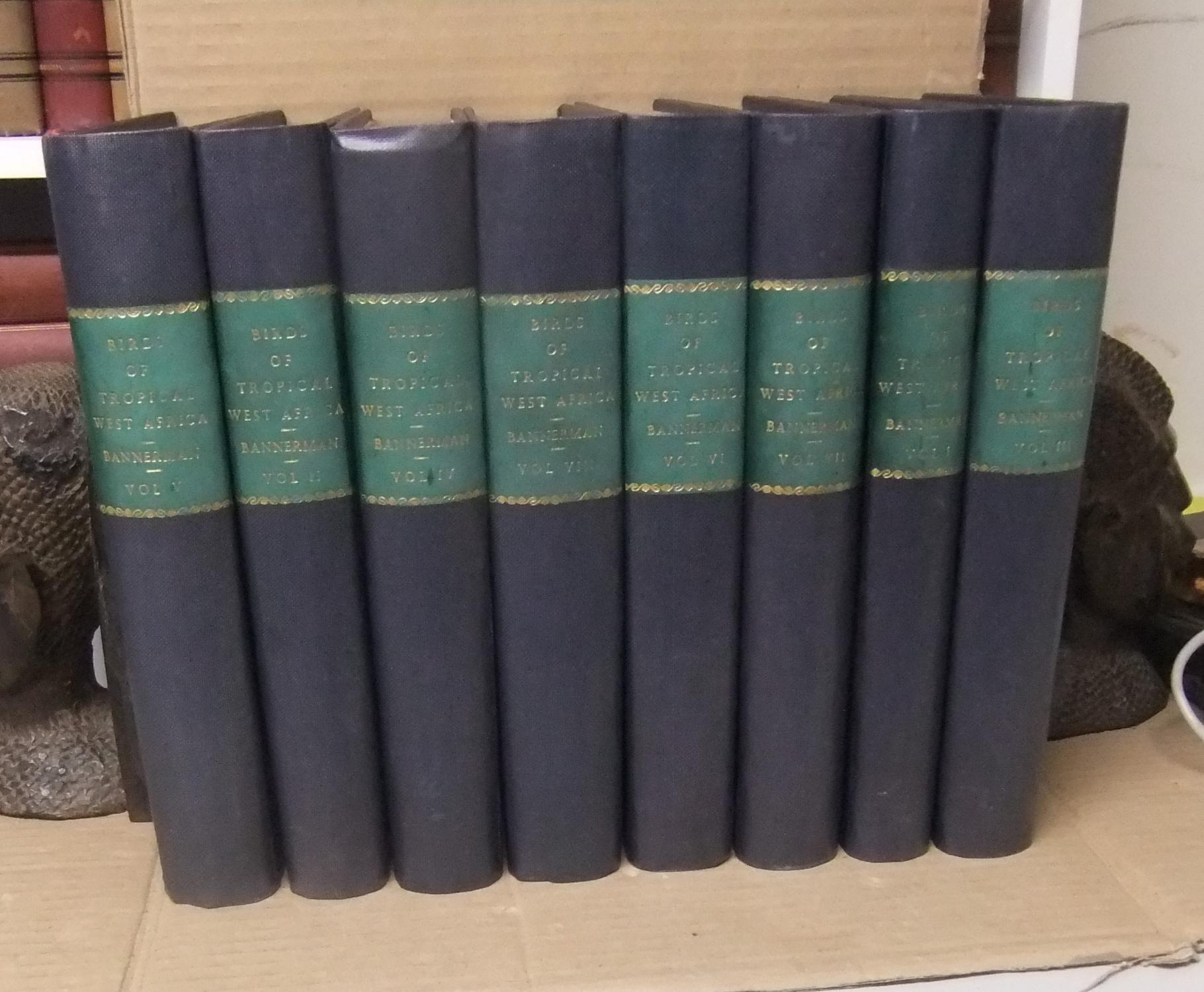 The Birds of Tropical West Africa
In 1928 he was on behalf of the National History Museum in the Gambia on the road, where he cooperated with Emilius Hopkinson (1869-1951). There was no dedicated publication for the expedition. Rather, Bannerman described many of the results in his 8-volume work The Birds of Tropical West Africa.
Under the leadership of Delacour, he collaborated with James Cowan Greenway (1903-1989), Raymond Decary (1891-1973), Richard Archbold (1907-1976), Philip Atkinson DuMont (1903-1996), and Austin Loomer Rand (1905-1982) at the Anglo-French expedition to Madagascar. Delacour published the findings in the journal L'Oiseau,
Rand in Bulletin of the American Museum of Natural History. From Madagascar, he accompanied Delacour and Greenway in October 1929 to Indochina. Here came the botanist Eugène Poilane (1887-1964) to the group. They set up camp in Sa Pa near the Fansipan in the border area of Tonkin and Yunnan. In the area, she collected over a period of two months. On we went to Vịnh Hạ Long. Eventually, Hoi Xuan was collected north of Annam near the Lao border. In April 1930, the group returned to Europe.
On the 28th of January 1931, Lowe broke under the leadership of Richard Meinertzhagen with his companions Janet Wood born. Clay (1907-1997) and Constantine Evelyn Benson (1895-1960) on a research trip to the plateau of Ahaggar. Already on the 30th of January, they reached Algiers. After crossing the Atlas Mountains, the group reached El Golea on the 4th of February.
Here they gathered for four days and found a hermit crab - a fossil of the species Kerunia cornuta Mayer-Eymar, 1899. On February 8, they reached the now abandoned Fort Miribel 90 kilometers south of El Golea. A day later they crossed 277 kilometers of barren desert and arrived in In Salah. The next day they continued, but their car stopped 25 kilometers further because of a sandstorm.
After repair work, they did not reach the village of Arak until just before midnight. From this village, they finally reached their destination Ahaggar on the 10th of February. Here one began to collect seriously. On the 12th of February, they will continue to In Ekker before continuing to Tamanrasset on the 14th.
Here they organized camels and donkeys with which they moved on the 17th north through the province Tamanrasset. On the evening of the 18th, they were in bad weather. It rained on the 19th and the 20th the whole day. So they experienced a violent flood with a rumbling roar. On the 21st, they moved to an altitude of 1,620 meters.
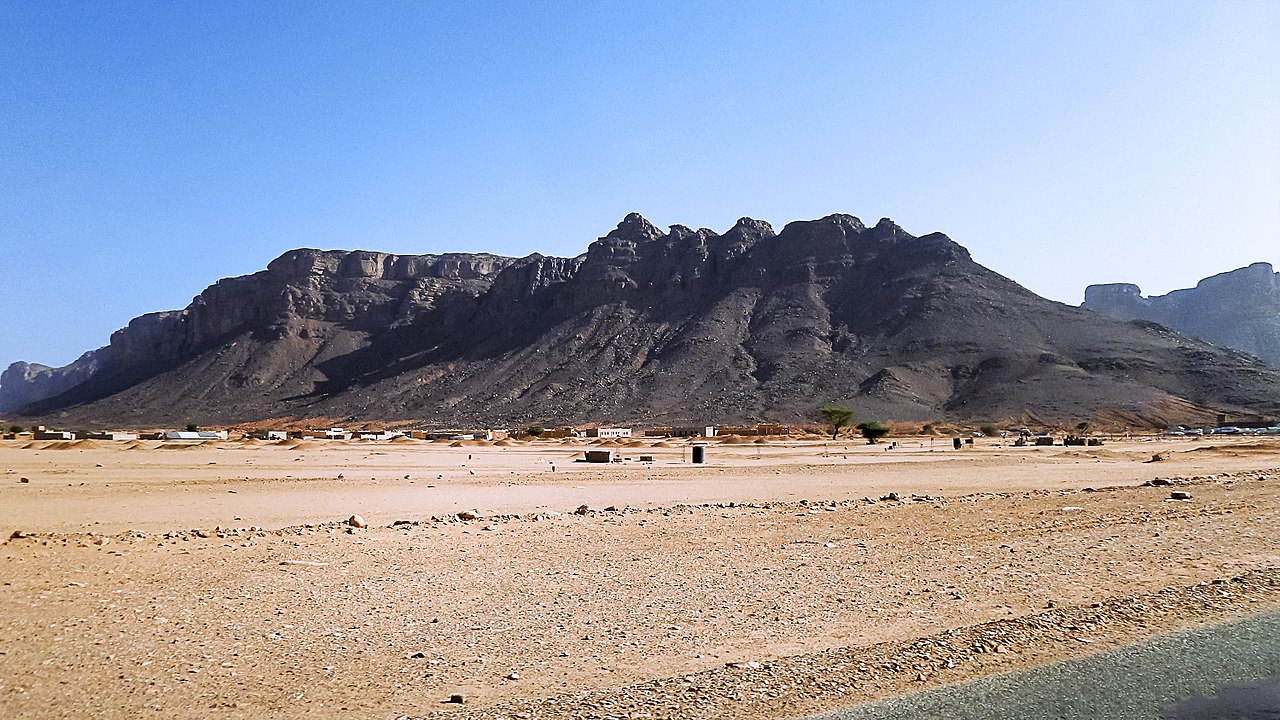 The Canyons of Arak By Habib kaki - Own work, CC0, https://commons.wikimedia.org/w/index.php?curid=61374463
From here, the trail led north 2080 meters and from there the next day into a wide valley. On the 4th, they set up camp at 2225 meters altitude on a small rock bath called by locals in Fergat. On the 6th of March, they pushed to Iliman and camped in a wadi near a 2,400-meter-high granite tower. They followed the wadi as far as Tit, a village they reached late on the 13th of March. About In Eker, they collected in the canyons of Arak.
On the 19th they left Arak and traveled via In Salah and El Golea back to Algiers, which they reached on the 28th of March.
At the invitation of the Provincial Administrator of the Province of Iringa Thomas Gordon Buckley (1886-1932), Hubert Lynes and his friend Lowe visited Tanganyika. First, they arrived in Nairobi, Kenya, where they enjoyed the hospitality of Victor Gurney Logan Van Someren (1886-1976) and his wife. Van Someren gave them Yokana Kiwanuka (died 1944), who had previously worked for him as a ship's captain. Kiwanuka drove her across the Great North Road to Iringa, where on the 17th of November she was received by Mr. and Mrs. Buckley. Buckley recommended the plateau of Ubena in Njombe.
For six weeks they lived in Njombe. They were assisted by District Administrator FJ Lake, his wife, and assistant RM Bell. The planter Otto Mieth was kind enough to lodge her for a while in his sawmill on the outskirts of Iringa. With the help of GC Baker, who then ran Frank O'Brien Wilson's (1857-1923) farm, they made trips to the Udzungwa Mountains, an area then called Uhehe and the Dabaga Plateau.
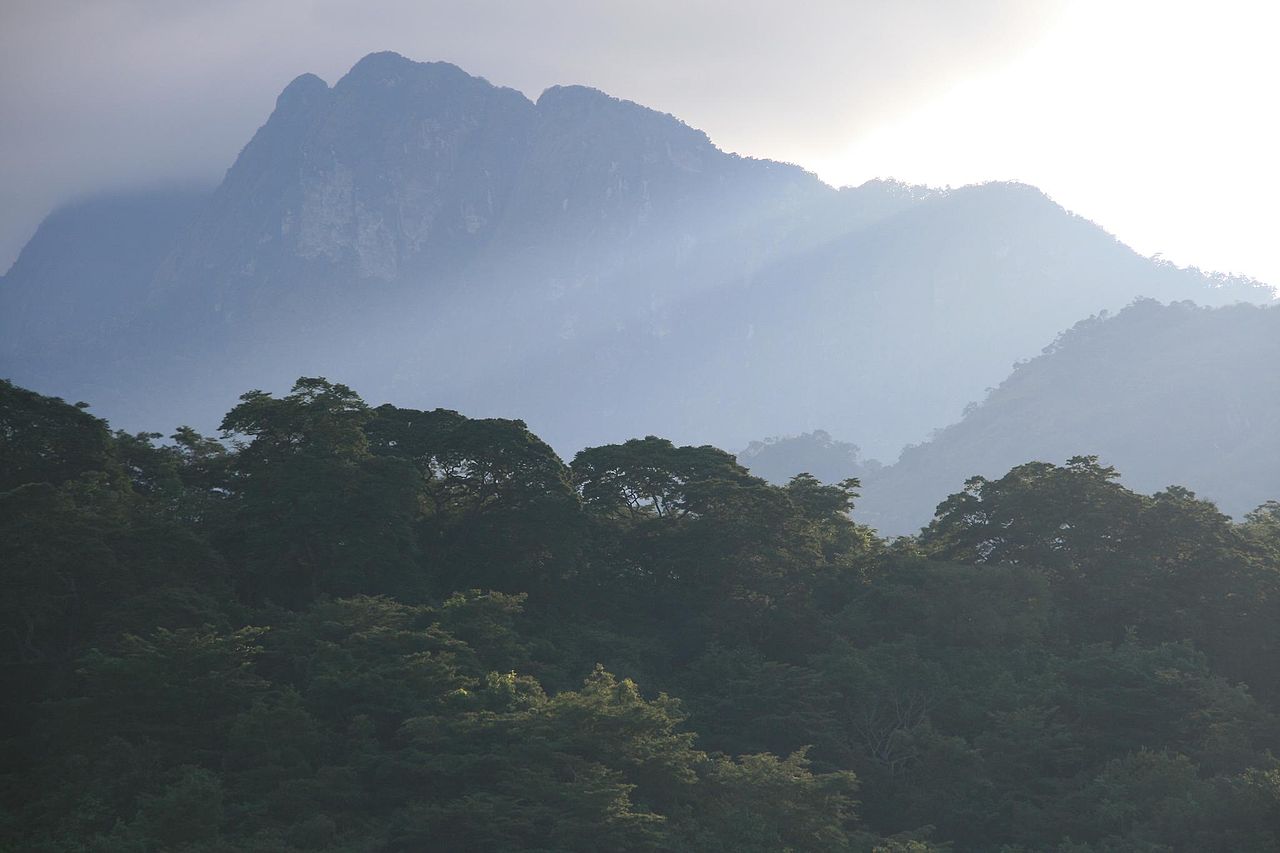 Udzungwa Mountains By Marc Veraart - https://www.flickr.com/photos/marcveraart/2759145423/, CC BY 2.0, https://commons.wikimedia.org/w/index.php?curid=15507479
Yokana prepared the bellows while Lowe collected diligently. When they left Tanganyika Territory, they were first guests with Mr. and Mrs. Stignell in Dar es Salaam. Stignell was at the time administrator of the Central Province.
On the 23rd of November 1933, he traveled with Fanny Waldron on the steamship Appam of Elder Dempster & Company from Liverpool to Takoradi where they arrived on December 12th. From there you took the train to Kumasi. They were guests of Major Francis Walter Fitton Jackson (1881-1936), who served as Commissioner of the Ashanti Region.
They headed for Tepa and turned southwest to get to a hunting ground of King Prempeh I. On January 6, 1934, the journey continued north to Wenchi. Here she received Francis Charles Fuller (1866-1944). We went on to Ejura and the Bosumtwi Lake.
On the 28th of November 1934, Miss Waldron left Liverpool for a second expedition and reached Takoradi on December 11. Once again the train took her to Kumasi. This time, Bamboi crossed the Black Volta to reach Bole. On January 6, they were received by District Administrator Guthrie Hall. On January 13, we headed north to Wa, and from there three days later Lawa in the Lawra District. The then district administrator Edward Wilfrid Ellison provided him his house as accommodation.
On the 18th of January, Tumu was her next destination. From there she made her way to Navrongo and then to Tamale. After crossing the Black Volta again, they arrived in Yeji. On the 27th of January, they reached Ejura again, where they gathered until the 2nd of February to travel to Mampong. Here the group remained until the 2nd of February.
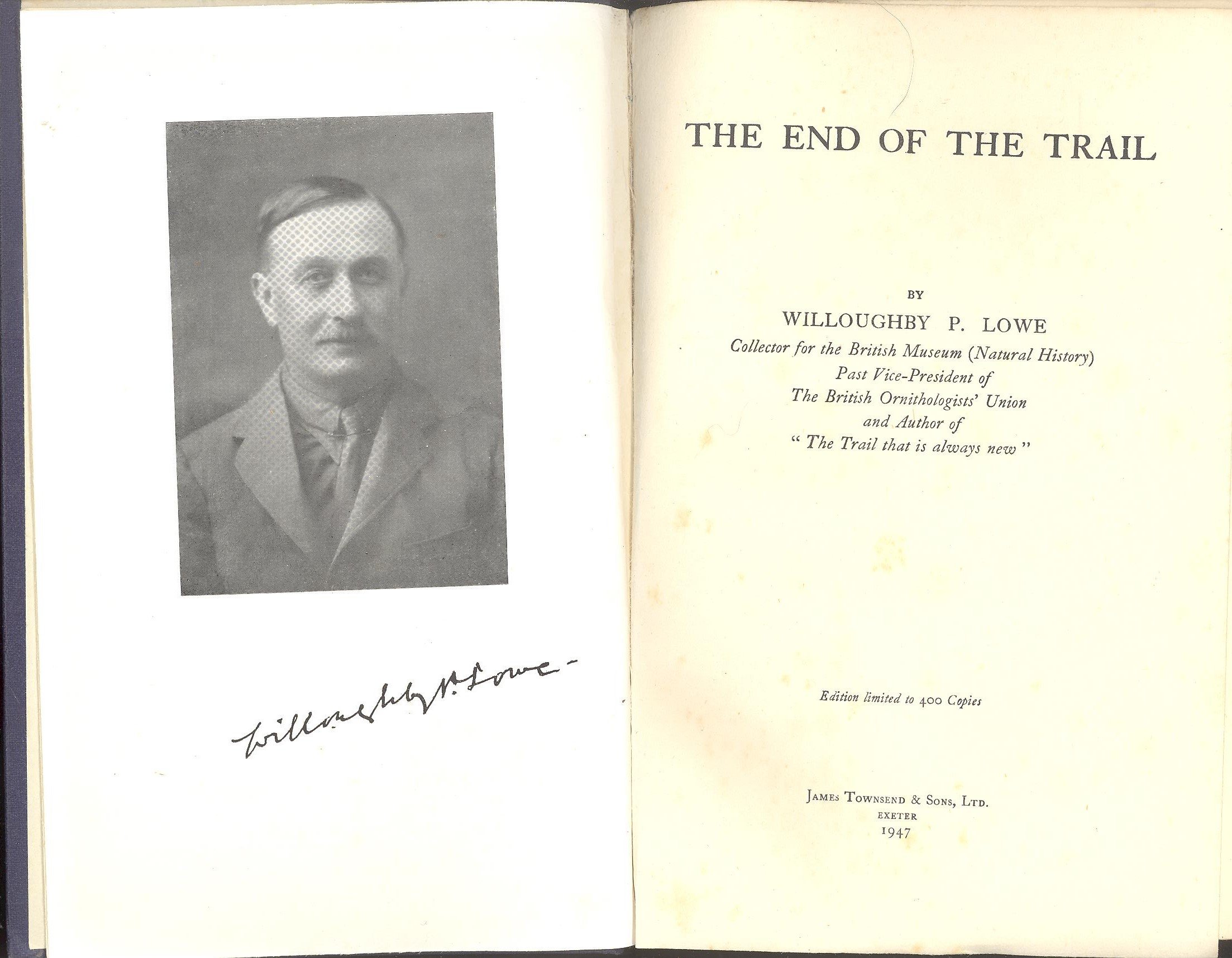
In 1947, Lowe published two books: The Trail that Is Always New (1932) and The End of the Trail (1947). The illustrations for the first book came from Henrik Grönvold (1858-1940) and his already mentioned second son.
In his late years, he worked as a volunteer curator at the Royal Albert Memorial Museum in Exeter. He took care of the remodeling of the collection until a serious accident during a blackout during the Second World War made him impossible and probably took his eyesight.
Since 1914 he was a member of the British Ornithologists' Union (BOU). In 1943 he was elected vice president. In 1948 he received the Union Medal of the BOU.